Plumbing systems quietly keep a home running every single day. Water flows smoothly, drains work, toilets flush and fixtures operate without a second thought. That is why plumbing issues are often ignored at first. A small drip or a slow drain rarely looks like a real problem until something suddenly stops working. When a plumbing issue develops, it can quickly disrupt daily routines, cause damage and lead to costly repairs.
Knowing the common plumbing problems that appear in homes gives you the advantage of spotting trouble early. Many issues start at a small scale and gradually grow worse over time. A bit of maintenance and early action can prevent water damage, mould growth and unnecessary stress. Below are ten plumbing problems that many homeowners eventually encounter and why it is important to understand them with the help of a professional Thunder Bay plumber.
1. Leaky Faucets and Fixtures
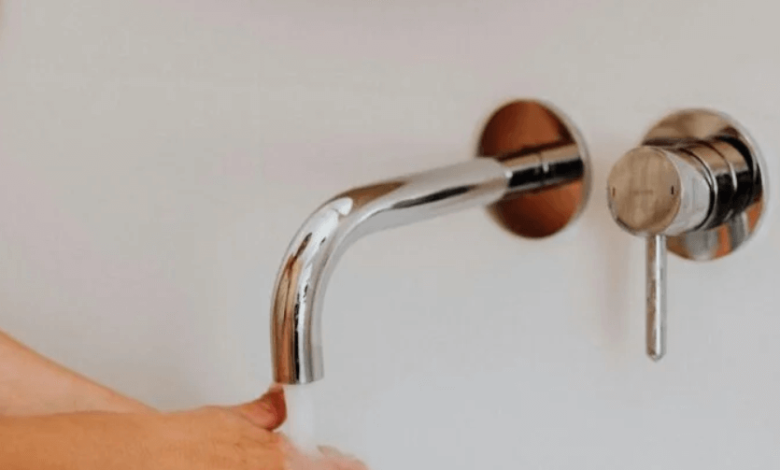
A leaking faucet is one of the most common plumbing problems. It often starts with a small drip or an occasional water trail near the sink. Most leaks are caused by worn out washers or O-rings, loose connections or ageing seals inside the faucet. The constant drip results in wasted water and higher water bills.
A simple repair or a replacement of worn components usually stops the problem. Ignoring a leak for too long can cause moisture damage inside cabinets and contribute to mould or staining. Inspecting faucets regularly reduces the risk of unexpected water damage. You can hire services from a professional Thunder Bay plumber to resolve these issues.
2. Clogged Drains
A slow draining sink or shower is usually a sign of a clog developing inside the pipe. Hair, soap residue, grease, cooking waste and mineral deposits are the most common causes. Kitchen drains often clog due to food scraps and grease, while bathroom drains collect hair and soap.
Basic tools like a plunger or a small drain snake can resolve many minor blockages. Cleaning the P-trap under the sink can also help remove trapped debris. If clogs return frequently or the drainage is slow throughout the home, it may indicate a deeper problem in the drain line.
3. Running or Constantly Refilling Toilets
A toilet that continues to run after flushing may waste a lot of water. This usually happens because the flapper valve does not seal properly or the fill valve and float are not working correctly. These problems are easy to notice because the tank keeps refilling or you hear a constant flow of water.
Inspecting the tank components often reveals the issue. Minor adjustments or simple replacement parts usually fix the problem. If the running continues despite repairs, there may be a more technical fault that needs professional attention.
4. Low Water Pressure
Weak water flow from faucets and showerheads can be annoying and may signal buildup in the plumbing fixtures or pipes. sometimes clog aerators or showerheads and restrict water flow. In some cases low water pressure may be linked to pipe leaks, ageing pipes or problems in the main supply line.
Cleaning aerators and showerheads is a simple first step. If the pressure remains low throughout the entire home, it may be connected to a larger plumbing issue that needs inspection.
5. Water Heater Problems
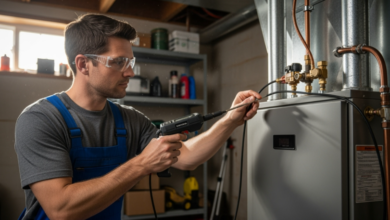
Water heaters often work quietly in the background until something fails. Signs of trouble include a lack of hot water, irregular heating, discoloured water, unusual noises or visible leaks. These issues may be caused by sediment buildup, faulty heating elements or thermostat problems.
Regular maintenance, like flushing the tank, helps extend the water heater’s life. If leaks or strange sounds appear, it is safer to call for professional inspection because water heater problems can worsen if ignored.
6. Corroded Pipes and Hidden Leaks
Metal pipes may corrode over time, especially in older homes. Corrosion weakens the pipes and can lead to pinhole leaks or pipe bursts. Sometimes hidden leaks exist behind walls, under floors or around fixtures where they are not immediately visible.
Early signs may include damp patches, moisture stains or an unexplained drop in water pressure. Routine checks and maintenance help prevent hidden leaks from turning into larger plumbing emergencies.
7. Sewer Line Backups
A sewer or drain line backup can cause wastewater to return through sinks, showers or toilets. This usually happens because of blockages, tree root intrusion, damaged pipes or buildup inside the sewer line. This is more than an inconvenience because wastewater poses health and sanitation risks.
Common warning signs include bad smells, slow drainage across several fixtures or unexpected backups. Sewer line issues require professional inspection and should never be handled as a DIY task.
8. Burst Pipes
A burst pipe is one of the most serious plumbing emergencies. Once a pipe breaks, water can spill into floors, walls and ceilings in a short amount of time. Corrosion, freezing, older plumbing and sudden pressure surges are common causes.
The first step is always to shut off the main water supply. Quick response prevents major structural damage and reduces repair costs. If the issue is not addressed immediately, the water damage can spread rapidly.
9. Hard Water and Mineral Scaling
Hard water contains minerals that accumulate inside pipes and around fixtures. Over time these deposits reduce the efficiency of appliances and plumbing systems. You might notice chalky or white buildup near faucets, showerheads or inside appliances like kettles and water heaters.
Scaling makes pipes more likely to clog or corrode. Addressing hard water early helps protect plumbing fixtures and reduces long term wear and tear.
10. Ageing or Poorly Installed Fixtures
Older plumbing fixtures eventually wear out. Faulty installation or low quality materials may also cause leaks or loosening connections. Faucets, valves, toilets and joints are more likely to fail if they are old or improperly installed.
Inspecting fixtures for rust, wear or poor sealing helps identify problems before they become severe. Replacing old parts or upgrading old plumbing fixtures often prevents ongoing repairs.
Why Recognising These Problems Early Matters
Most plumbing problems do not appear suddenly. They often develop slowly, beginning as small inconveniences before turning into bigger issues. Early recognition helps prevent expensive repairs, flooding, mould and wasted water. Simple maintenance and routine checks can significantly reduce the risk of major damage.
When to DIY and When to Call a Professional
Some plumbing problems are manageable at home such as clearing minor clogs, cleaning aerators or replacing small faucet components. If the problem is recurring, damaging surfaces, affecting multiple fixtures or causing leaks, it is safer to rely on a professional. Complex issues require proper diagnosis and tools to ensure the problem is solved correctly.
Final Thoughts
Plumbing plays an important role in everyday comfort at home. Being aware of common plumbing problems helps you take action early, prevent water damage and avoid unnecessary repairs. Paying attention to leaks, drainage, water pressure and the condition of fixtures keeps the plumbing system healthy and reliable for a long time.