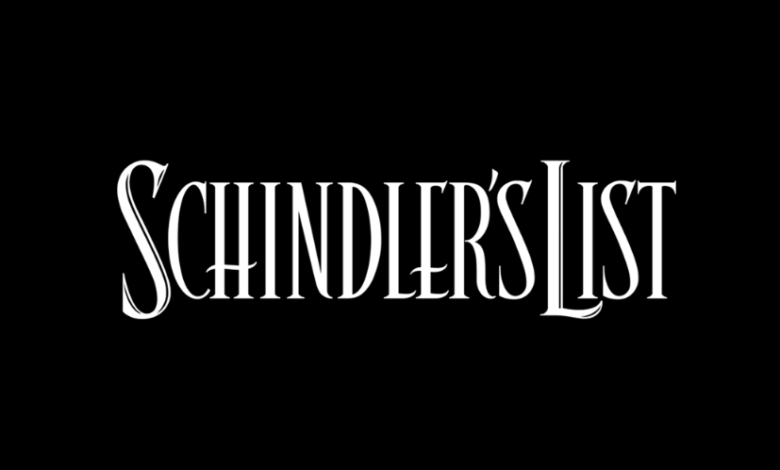
From the opening crawl of Star Wars to the sleek titles of James Bond films, typography has played a crucial role in cinematic storytelling for decades. Movie fonts do more than simply display information—they establish era, evoke emotion, and create immediate atmospheric context that prepares audiences for the narrative journey ahead. The right typeface can become as iconic as the films themselves, instantly recognizable to generations of moviegoers. Through careful selection and custom lettering, filmmakers have used typography to build worlds and define genres long before the first scene appears on screen.
Creating Era and Atmosphere Through Typography
One of the most powerful applications of movie fonts lies in their ability to transport viewers to specific time periods and cultural moments. The right typeface can instantly signal whether a story takes place in the roaring twenties, the futuristic landscapes of science fiction, or the gritty streets of film noir. Fonts like TT Alvar, with its elegant serifs and classic proportions, effortlessly evoke historical prestige and literary gravitas, making it ideal for period pieces and adaptations. Conversely, the geometric forms of TT Autonomous suggest futuristic technology and otherworldly settings, perfectly suited for science fiction epics. These typographic choices work on a subconscious level, preparing audiences for the visual and narrative world they are about to enter.
See also: Keeping Your Home Safe: Modern Pest Control Solutions in Chelmsford
Building Tension and Genre Expectations
Movie fonts frequently serve as visual shorthand for genre, immediately informing audiences what kind of emotional experience to expect. Horror films often employ distorted, irregular letterforms that suggest instability and dread, while romantic comedies might use friendly, approachable scripts that promise lighthearted entertainment. The distinctive character of TT Jenevers, with its subtle artistic flourishes, could lend itself perfectly to mystery films or psychological thrillers where perception and reality blur. These typographic cues create psychological priming, putting viewers in the appropriate mindset for the story that follows. The font becomes part of the film’s emotional architecture, working in concert with score and cinematography to establish tone.
The Rise of Custom Lettering and Signature Styles
Many of cinema’s most memorable titles feature custom-designed lettering created specifically for a film or franchise. These bespoke typefaces become inextricably linked with the movies they introduce, achieving iconic status through repeated exposure and cultural impact. While not every film requires completely original lettering, those that invest in custom typography often create lasting visual identities that extend far beyond the theater. The versatility of fonts like TT Commons demonstrates how a strong, adaptable typeface can be modified to serve various cinematic needs while maintaining cohesive branding across a series or franchise.
Practical Considerations in Title Design
Beyond artistic expression, practical considerations heavily influence the selection of movie fonts. Title sequences must be legible across various formats, from massive theater screens to mobile devices, while effectively communicating essential information to viewers. Fonts need sufficient weight and clear character differentiation to remain readable during brief on-screen appearances. The balanced proportions and distinct letterforms of TT Interfaces make it an excellent candidate for films requiring clarity and modern sophistication. Additionally, licensing considerations often drive studios toward custom solutions or fonts with appropriate usage rights for widespread distribution and merchandising opportunities.
Conclusion
The art of movie typography represents a unique intersection of design and storytelling where typefaces become active participants in cinematic narrative. From establishing historical context to building suspense and defining franchise identities, fonts contribute significantly to how audiences experience and remember films. While trends in title design continue to evolve, the fundamental principles of appropriate typographic selection remain constant: fonts must serve the story, enhance the viewing experience, and create memorable visual moments that resonate with audiences. As cinema continues to embrace new technologies and storytelling formats, typography will undoubtedly maintain its vital role in shaping our first impressions of the films we love, proving that sometimes the most powerful storytelling happens word by word, letter by letter.