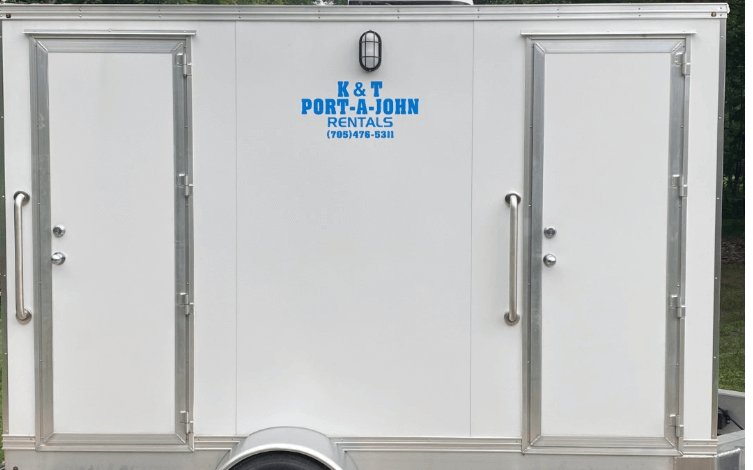
Poor sanitation at events creates problems that extend far beyond just inconvenience. When facilities fail to meet basic hygiene standards, the consequences affect everyone involved. Event organisers face complaints, attendees leave early, and reputations suffer damage that may take years to repair. Understanding these costs helps prevent such mistakes.
Searching for “bathroom rentals near me” often reveals the gap between basic provision and proper planning. Many organisers assume any portable facility will suffice, but this approach overlooks critical factors. Inadequate numbers, poor maintenance schedules, and improper placement all contribute to sanitation failures. The difference between acceptable and problematic facilities often comes down to advance planning and realistic assessment of needs.
Financial Consequences of Sanitation Failures
Hidden Costs Beyond the Rental Fee: When sanitation goes wrong, the immediate rental savings disappear quickly. Complaints lead to refunds, negative reviews drive away future bookings, and emergency solutions cost significantly more than proper initial planning. Events that skimp on facilities often spend triple the amount managing the aftermath.
Revenue Loss From Early Departures: Attendees who encounter unacceptable conditions don’t stay. Festival-goers leave after a few hours instead of remaining all day. Wedding guests depart before the reception ends. Each early departure represents lost food sales, reduced bar revenue, and fewer ticket purchases for future events. The wastewater management systems chosen directly impact whether people remain comfortable enough to stay.
Legal and Health Code Violations: Failing to meet provincial health standards brings fines and potential event shutdowns. Ontario regulations specify minimum facility requirements based on attendance numbers and event duration. Violating these standards exposes organisers to liability if attendees become ill. Insurance premiums increase after incidents, and some venues refuse to host repeat events.
Reputation Damage That Lasts
Social Media Amplification: One disgusting toilet photograph spreads faster than . Attendees share their worst experiences online, and these posts remain searchable indefinitely. Future customers discover these complaints during research, choosing competitors instead. The viral nature of negative content means a single day’s poor sanitation affects years of business.
Industry Word-of-Mouth Impact: Event planning communities are surprisingly small and interconnected. Venue managers, caterers, and entertainment providers all discuss which organisers maintain proper standards. A reputation for inadequate facilities makes it harder to secure premium vendors, book desirable locations, and attract sponsors for future events.
Attendee Trust Erosion: People remember how they felt at events more than specific details. Discomfort and disgust create lasting negative associations with organisers and venues. Even if subsequent events improve dramatically, convincing previous attendees to return requires significant effort and marketing expenditure.
Health Risks and Liability Concerns
Disease Transmission Potential: Inadequate handwashing facilities and overflowing units create environments where illnesses spread rapidly. Gastrointestinal infections, respiratory diseases, and skin conditions all transmit more easily when proper hygiene infrastructure isn’t maintained. Large gatherings already facilitate disease spread, and poor sanitation accelerates this process considerably.
Vulnerable Population Exposure: Children, elderly attendees, and immunocompromised individuals face heightened risks from unsanitary conditions. Events welcoming families bear extra responsibility for maintaining safe, clean facilities. Failing to protect vulnerable populations brings both moral and legal consequences that organisers cannot ignore.
Preventing Sanitation Problems
Accurate Capacity Planning: Calculate facility needs based on attendance, event duration, and beverage service. A general guideline suggests one unit per 50 people for events under four hours, with adjustments for longer durations and alcohol consumption. Construction sites follow different ratios based on worker counts and shift lengths.
Strategic Placement Decisions: Location matters as much as quantity. Facilities placed too far from main activity areas go unused, whilst those too close create odour and traffic problems. Consider accessibility requirements, lighting for evening events, and proximity to hand sanitiser stations or handwashing facilities.
Maintenance Schedule Implementation: Regular servicing throughout events prevents most problems. Multi-day festivals require daily cleaning and restocking. Even single-day events benefit from mid-event servicing if attendance exceeds 200 people. Professional rental companies offer maintenance packages that match event schedules.
Quality Indicators to Assess
When evaluating rental options, several factors separate adequate from excellent service:
- Cleanliness standards upon delivery, including fresh supplies and sanitised interiors.
- Responsiveness to service calls during events, with guaranteed response times for emergencies.
- Equipment condition and age, as newer units typically offer better ventilation and sturdier construction.
- Transparent pricing without hidden fees for delivery, setup, or routine maintenance visits.
- Accessibility compliance options, ensuring facilities accommodate all attendees regardless of mobility limitations.
Choosing Appropriate Facility Types
Standard Units vs Premium Trailers: Basic portable toilets suit construction sites and casual outdoor gatherings. Upscale events benefit from restroom trailers offering climate control, running water, and interior lighting. The cost difference reflects not just amenity levels but also the impression facilities create and the comfort they provide attendees.
Accessibility Requirements: Regulations mandate accessible facilities for events open to the public. These units provide wider doors, interior space for wheelchair manoeuvring, and appropriate handrails. Beyond compliance, accessible facilities demonstrate organisational commitment to inclusive experiences for all attendees.
Handwashing Station Necessity: Separate handwashing stations significantly improve hygiene outcomes compared to units with only hand sanitiser dispensers. Events serving food particularly benefit from proper handwashing facilities, as do gatherings with children who require supervision whilst cleaning hands.
Conclusion
Event sanitation determines whether attendees remember experiences positively or negatively. The costs of inadequate facilities extend far beyond immediate complaints, affecting reputation, revenue, and legal standing for years afterwards. Proper planning, realistic capacity assessment, and quality facility selection prevent these problems entirely. Don’t let poor sanitation undermine your event’s success—invest in proper facilities from the start and maintain them throughout your gathering.