The manufacturing sector is profoundly influenced by the processes employed within it, which in turn affect quality, efficiency, and innovation. Rotary die-cutting services have undergone a significant transformation, particularly at Pepin Manufacturing, where advancements in this area are reshaping contemporary production techniques and promoting a more sustainable future.
An Overview of Rotary Die-Cutting
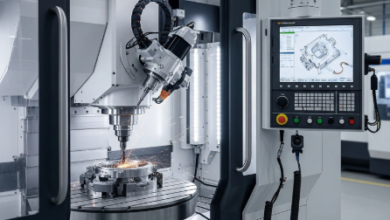
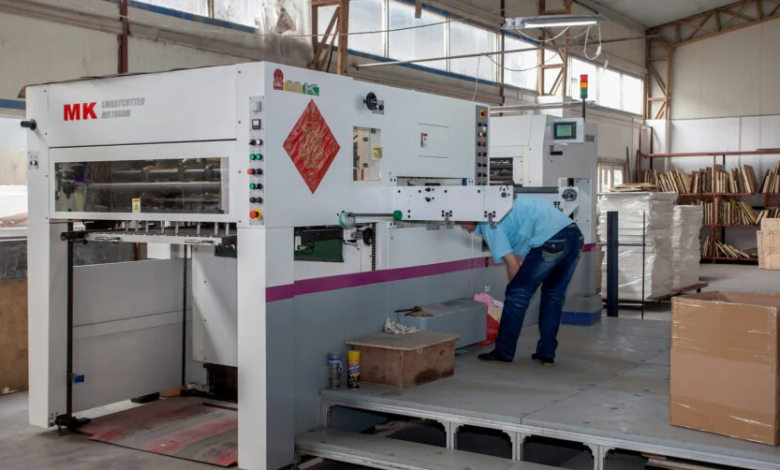
Rotary die-cutting is an advanced technique that utilizes a rotating cylindrical die to precisely cut materials into bespoke shapes and designs. This method contrasts with traditional flatbed die-cutting, which employs a stationary die that applies pressure against the material. By working with continuous rolls of material, rotary die-cutting enables high-speed and seamless cutting. It is renowned for its exceptional speed and accuracy, making it an ideal solution for producing a wide variety of products, including labels, packaging, and medical components.
See also: Novarlo LLC: Your Reliable Partner in Safety Equipment for Protection, Quality, and Service
From Manual Processes to Enhanced Efficiency
The history of die-cutting dates back to the 19th century, when early techniques were primarily manual and labor-intensive. Initial die-cutting tools lacked the precision necessary for intricate designs. The introduction of rotary die-cutting in the late 1800s marked a pivotal shift towards automation, significantly enhancing production rates while reducing labor needs, thereby establishing the foundation for the sophisticated methodologies used today.
Over the years, continuous technological advancements have honed the rotary die-cutting process. Modern systems now feature computerized controls and automated adjustments, achieving levels of precision and efficiency that were previously unattainable.
Technological Advancements Driving Rotary Die-Cutting
Recent innovations have substantially improved the capabilities of rotary die-cutting. The integration of precision engineering with computer-guided systems has markedly enhanced the accuracy of this technique, allowing manufacturers to produce highly detailed designs with reliability and expedited turnaround times.
Moreover, the range of materials suitable for rotary die-cutting has expanded dramatically. Manufacturers can now work with various substrates, including paper, plastics, metal foils, and textiles. This versatility broadens its applications across numerous sectors, including healthcare, electronics, and packaging.
Transformational Role in Modern Manufacturing
Rotary die-cutting is integral to the efficiency and flexibility of contemporary manufacturing processes. Its high-speed operational capacity is essential for meeting the increasing demand for rapid production and customization. Whether for small prototypes or large-scale orders, manufacturers can ensure consistent quality across products in a timely manner.
Cost-effectiveness is another significant benefit of rotary die-cutting. By minimizing material waste and optimizing throughput, this process provides a financially advantageous solution for manufacturers. The savings realized can be reinvested into research, innovation, or sustainable practices, thereby enhancing overall value for both businesses and customers.
Sustainability and Emerging Trends
As environmental considerations gain prominence in manufacturing, rotary die-cutting is evolving to adopt more sustainable methodologies. This technique improves material utilization and reduces waste, resulting in fewer offcuts. Additionally, its capacity to work with biodegradable and recyclable materials positions rotary die-cutting as an environmentally responsible option for companies aiming to lessen their ecological impact.
Looking ahead, the potential of rotary die-cutting continues to expand as emerging technologies enhance its capabilities. The integration of robotics and artificial intelligence is poised to introduce smarter, more adaptable systems, while advancements in material science will enable the use of increasingly sophisticated materials. These innovations promise to render rotary die-cutting even more efficient, versatile, and sustainable.
Conclusion
The technological evolution of rotary die-cutting underscores its vital importance in the manufacturing landscape. With unparalleled speed, precision, and adaptability, this technique has transformed industries reliant on stringent production standards. At Pepin Manufacturing, we remain dedicated to leveraging the latest advancements in rotary die-cutting to achieve exceptional outcomes. Our focus on innovation and sustainability ensures our leadership in this essential industrial process.