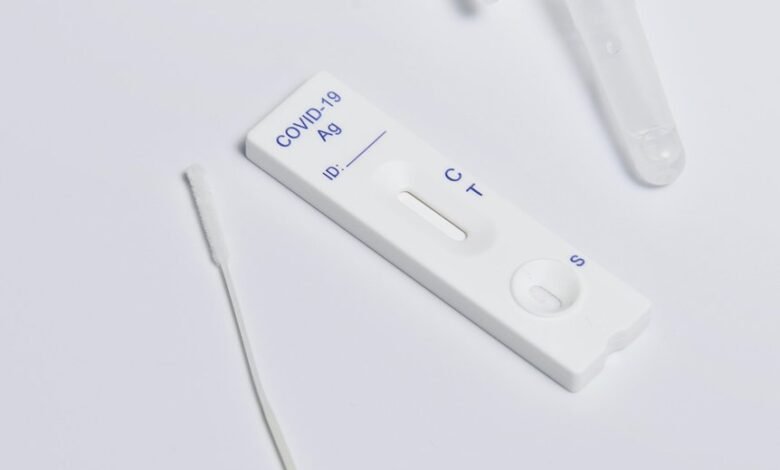
Testing for Homorzopia Disease requires a systematic approach. Early symptoms, such as blurred vision and light sensitivity, should prompt assessment. Diagnostic procedures like blood tests and imaging techniques are essential for accurate identification. Understanding how these tests differentiate Homorzopia from similar conditions is crucial. The process does not end with testing; interpreting results and determining the next steps is equally important. What insights emerge from these evaluations could shape treatment strategies significantly.
Understanding Homorzopia Disease
Homorzopia disease is a rare genetic condition characterized by specific visual impairments.
Genetic factors play a crucial role in its manifestation, as the condition is often inherited.
Individuals affected by Homorzopia may explore various treatment options, which can include visual aids or therapies designed to enhance their quality of life.
Understanding these elements is essential for empowering those impacted by this condition.
Initial Symptoms and Signs to Look For
While early detection can significantly impact the management of visual impairments, recognizing the initial symptoms of Homorzopia disease is crucial.
Individuals should refer to a symptom checklist that includes blurred vision, difficulty with color perception, and increased sensitivity to light.
Noticing these signs promptly can lead to timely intervention, ultimately fostering greater independence and quality of life for those affected.
Diagnostic Tests and Procedures
How can healthcare professionals accurately diagnose Homorzopia disease?
Diagnosis typically involves a combination of blood tests that assess biochemical markers and imaging techniques such as MRI or CT scans to visualize affected areas.
These diagnostic procedures provide essential information, enabling healthcare providers to distinguish Homorzopia from other conditions and tailor appropriate treatment strategies, ultimately supporting the patient’s journey towards better health and well-being.
Interpreting Test Results and Next Steps
What insights can be gained from the test results when diagnosing Homorzopia disease?
Test result interpretation plays a crucial role in understanding the disease’s presence and severity. Clear results can guide follow-up actions, such as additional testing or treatment options.
Patients should engage with healthcare providers to discuss implications and personalized care plans, ensuring informed decisions that promote autonomy and well-being.
Conclusion
In conclusion, testing for Homorzopia Disease is crucial for early detection and effective management. Recognizing initial symptoms can initiate the diagnostic process, which encompasses blood tests and advanced imaging techniques. The accurate interpretation of these results is paramount, guiding healthcare providers in crafting tailored care plans. Ultimately, understanding and addressing Homorzopia can illuminate the path to improved vision, transforming lives with the brilliance of a thousand suns. Timely intervention truly can make all the difference.