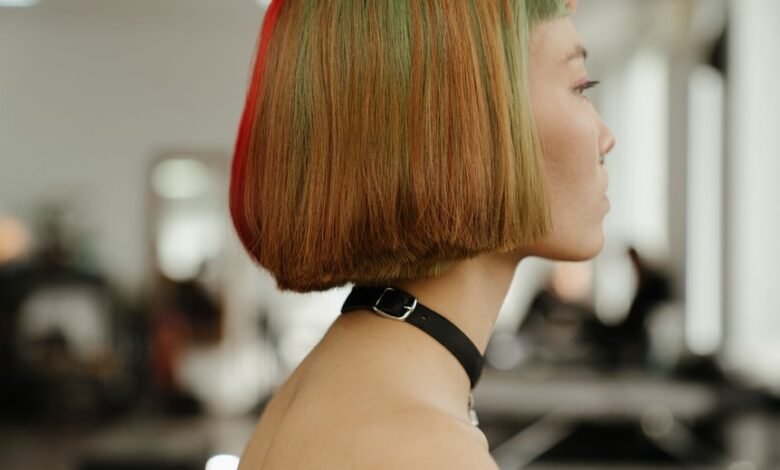
Low maintenance thick hair short bobs balance volume and structure through controlled tapering and vertical sectioning. The approach aims for uniform silhouette with minimal upkeep, leveraging texture to modulate bulk and reduce heat styling. Air-drying and restrained tension preserve fullness while targeted product choices prevent buildup. Consistent baseline lengths and evidence-based techniques minimize overcutting. This framework prompts consideration of practical steps and product choices before proceeding to actionable methods.
What Makes a Thick-Hair Short Bob Work
The thick-hair short bob works due to a combination of volume management, structural balance, and texture interaction. Hair density informs lift at crown and taper along sides, producing uniform silhouette.
Texture techniques modulate wave and deflection, reducing bulk without sacrificing form.
A maintenance mindset supports consistent trimming, product use, and proprioceptive styling choices for reliable, low-effort outcomes.
Step-by-Step Cut Approaches for Low Maintenance
Step-by-step cut approaches for a low-maintenance thick-hair short bob prioritize precision, efficiency, and predictable outcomes.
The protocol emphasizes consistent baseline length, vertical sections, and careful tension to minimize deviation.
Using documented elevation and angle references, practitioners limit overcutting, preserving structure.
Outcomes support thick hair maintenance and short bob versatility, enabling reliable shape retention with reduced styling intervention.
Everyday Styling Tricks to Preserve Volume
Maintaining volume in everyday styling for thick, short-bob hair relies on disciplined technique and evidence-based practices. Gentle lift is achieved through root-targeted texturing with light, long-lasting products, air-drying when possible, and minimal heat.
The approach favors soft hairstyles that retain fullness without stiffness, and remains travel friendly, enabling consistent appearance across environments while preserving natural movement and scalp health.
Products and Tools That Keep It Clean and Manageable
What specific products and tools best support a clean, manageable look for thick, short-bob hair, and how do their mechanisms align with scalp health and volume retention? This analysis assesses shampoos, lightweight conditioners, clarifying routines, and heat-free styling options, emphasizing scalp pH, residue reduction, and judicious tool use. It addresses haircare myths and tool comparisons to inform evidence-based choices.
Frequently Asked Questions
How Often Should I Trim a Thick Short Bob?
Trimming frequency for a thick, short bob is typically every 4–6 weeks to maintain shape and remove split ends. The recommendation emphasizes trim timing and maintenance tips, supported by scalp-friendly practices and evidence-based styling guidelines.
Can I Wear a Short Bob With割 Thick, Frizzy Hair?
Answer: Yes, a short bob can suit thick, frizzy hair with proper styling. A razor-cut or layered approach reduces bulk; use smoothing products and diffuse drying. Short bob, thick hair benefits from defined shape, controlled frizz, and maintenance.
Is Heat Styling Necessary for Volume Retention?
No, heat styling is not strictly necessary for volume retention; alternatives like scalp massage, textured air-drying, and lightweight styling products can preserve volume. Evidence suggests modest benefits from heat styling, but risks include damage and moisture loss.
Which Fabrics or Hats Affect Volume Maintenance?
Anachronism at start: Pioneers type with a steam-powered comb, yet fabric effects and hat influences show minimal impact on volume retention when materials are smooth, breathable, and properly sized; observation remains clinical, evidence-based, and freedom-oriented.
Do Humidity Levels Impact the Hairstyle Long-Term?
Humidity levels can affect the hairstyle long term, with cumulative moisture exposure influencing cuticle integrity. The long term impact includes potential frizz formation. Effective frizz management and prudent heat styling minimize damage, supporting predictable results under varying humidity.
Conclusion
This study shows that thick, short bobs thrive on disciplined proportion, yet flourish with subtle variability. Juxtaposing uniform baselines against deliberate texture reveals a reliable silhouette that resists fatigue, while air-drying and low heat preserve fullness. Conversely, excessive product or abrasive tension undermines structure, producing lag in movement. Practically, simplicity and targeted tapering outperform frequent overcuts. The result is a robust, low-maintenance style: consistent shape paired with effortless volume, an evidence-based balance between control and natural texture.